
Moisture Control Hacks for Stored Campers
- Jan 6
- 3 min read
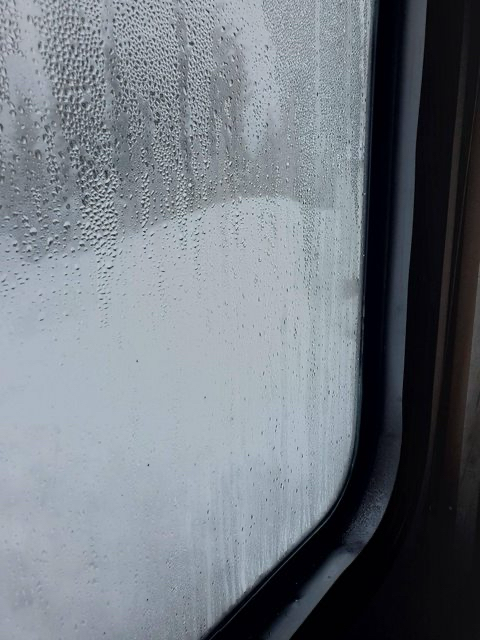
Dehumidifiers, DampRid, and Cheap Tricks That Actually Work
It's not a glamerous topic but with winter in full swing, I would be lying if I said the moisture inside our stored camper isn’t always in the back of my mind.
Because when your camper is parked, closed up, and minding its own business all winter, moisture has one job:
to sneak in quietly and make itself comfortable.
No one wants to open their camper in spring and be greeted by:
Fogged windows
Musty smells
Cushions that feel… suspicious
So we did what everyone does—we Googled it. A lot.
Here’s what the internet recommends for stored campers, and what actually makes sense.
Why Stored Campers Are Moisture Magnets
When your camper is sitting unused:
There’s no airflow
Temperature swings cause condensation
Tiny amounts of moisture get trapped inside
Campers aren’t houses—they’re sealed boxes. And winter loves testing that seal.
The good news? A little prep goes a long way.
Dehumidifiers: The Power-Dependent MVP
If your camper is stored somewhere with electricity, a dehumidifier is the heavy hitter.
Why They Work
They actively pull moisture out of the air
You’ll be shocked how much water they collect
Great for enclosed, long-term storage
Things to Consider
They require power
You’ll need a drain plan or periodic emptying
Not always an option in outdoor or off-grid storage
Best for: Indoor storage or powered sites. Unfortunatley we don't offer those at Red Run.
DampRid: The No-Power Workhorse
For most stored campers, DampRid is the go-to—and for good reason.
Why Everyone Uses It
No electricity needed
Inexpensive
Easy to place in multiple problem areas
Where to put it:
Closets
Bathroom
Under beds
Inside cabinets
Reality Check
It doesn’t eliminate all moisture
You’ll need more than one container
Best for: Outdoor storage, unpowered units, and peace of mind.
The Game-Changer: A Secure, Vented Camper Cover
This one deserves its own section.
A properly fitted, vented camper cover is one of the most overlooked moisture-control tools—and one of the most effective.
Why vented covers matter
They allow moisture to escape instead of trapping it
Reduce condensation from temperature swings
Protect against snow, rain, and ice while still letting the camper breathe
Why “secure” matters
Loose covers flap, tear, and trap moisture
A snug fit prevents pooling water and snow buildup
Less movement = less wear on your camper exterior
Pro tip:
A cover without vents can actually worsen moisture problems. Ventilation is the key—not just coverage.
Cheap Tricks That Actually Help
These are the small steps that add up—especially over several months.
✔️ Leave Space for Airflow
Crack interior doors, open cabinets, lift mattress corners if possible.
Still air is moisture’s best friend.
✔️ Remove Soft Goods
If you can:
Take bedding home
Store pillows and blankets elsewhere
Less fabric = less moisture retention.
✔️ Clean Before You Close It Up
Any leftover food, crumbs, or damp surfaces give moisture something to cling to. Clean and dry everything before storage.
✔️ Vent Covers (Not Open Vents)
Leaving vents open can invite weather and critters. Vent covers allow airflow while keeping the elements out.
What We Learned After Too Much Googling
There is no one-size-fits-all solution—because storage setups vary.
The best defense is a layered approach:
DampRid throughout the camper
A dehumidifier if power is available
Airflow wherever possible
Regular check-ins if you can
This isn’t overkill—it’s prevention.
Final Thought for Spring You
Future-you will be very grateful when you open your camper and it smells like… nothing. No musty air. No damp surprises. Just the quiet promise of the camping season ahead.
If you’ve got a moisture hack that saved your camper over winter, share it.
Because nothing bonds camper people like fighting moisture together.


Comments